Why do batteries explode?
 Benjamin Ward
 .
Thereof, why do AA batteries explode?
Why Alkaline Batteries Explode When an alkaline battery heats up or is exposed to a strong electrical current, the energy releases hydrogen gas inside the battery sheathing. In most cases, the battery will simply leak, but if the vapor pressure is high enough, it can explode.
One may also ask, how can you prevent a battery from exploding? When your device is not in use, turn it off! Only transport your lithium-ion batteries in a specifically-designed container. Keep your batteries away from metal and other batteries. Lithium-ion batteries can explode if they are kept in a pocket or handbag and they bump into coins or keys.
Regarding this, how do batteries explode?
Batteries don't explode, they overheat and burst into flames. The only battery that can lead to explosion is lead acid which when overcharged creates hydrogen gas as a by product. If in an enclosed area, the hydrogen can be ignited by a spark or flame and explode the compartment it is in.
Can dead batteries explode?
The danger is that hydrogen will explode if a spark occurs nearby. One source of sparks can be the battery itself. As a battery ages, it loses water, leaving the top of the lead plates exposed to the air inside the battery case. Always connect jumper cables to the dead battery first, then to the good battery.
Related Question Answers
Can AA batteries start a fire?
Even batteries with a small voltage like commonly used AA and AAA alkaline batteries can start a fire under the right conditions. This can happen easily if a penny touches the uncovered end of a 9V battery, or if a paper clip or other common metal object comes in contact with more than one AA battery.How do I dispose of AA batteries?
As Duracell's website says: “Alkaline batteries can be safely disposed of with normal household waste.” Energizer confirms that regular batteries are fine to toss in the trash, but says rechargeable batteries should be recycled according to US federal guidelines.Are AA batteries dangerous?
Battery leakage (commonly known as battery acid) is nasty, corrosive stuff – it can burn your skin, contaminate soil, and of course ruin whatever device it has leaked into. For household batteries, this “acid” is actually alkaline – thanks to the potassium hydroxide chemical make-up.Is it safe to use a dented AA battery?
Are dented batteries safe to use? If you don't notice any swelling, leaking fluids, or dysfunction when using it, it should be okay to use. However, if you notice an odd smell, heat, or anything similar, it's a good idea to pitch it.How hot can a battery get before it explodes?
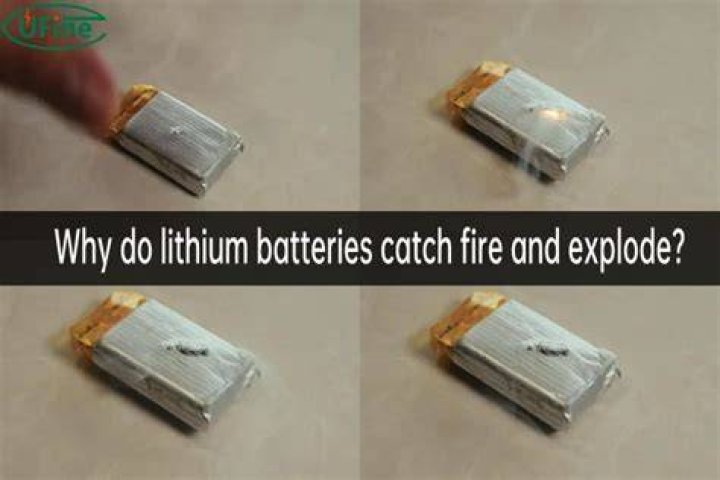
The chemicals inside the battery begin to heat up, which causes further degradation of the separator. The battery can eventually hit temperatures of more than 1,000° F. At that point the flammable electrolyte can ignite or even explode when exposed to the oxygen in the air.What happens if you touch an exploded battery?
Potassium hydroxide can cause mild to severe chemical burns if it contacts bare skin. Trace amounts of potassium hydroxide from battery leakage usually only result in minor itching and irritation. If you do come into contact with a leaking battery, flush your skin thoroughly with water.How do you start a fire with a battery?
After making your cuts, start by applying the wrapper (aluminum side down) to the negative end of the battery. Once you have a good hold on the negative end, apply the opposite end of the wrapper (again, aluminum side touching the battery) to the positive end. Hold both ends firmly, and wait.Why is my AA battery hot?
Why is the battery heating up? There are several possibilities why a battery can feel hot or heat up. In case of usage: This occurs when a battery is wrongly inserted in the battery box or there is a deformed terminal. Then there is also the possibility of a short circuit, forced charging and heating up the battery.How hot can batteries get?
BU-410: Charging at High and Low Temperatures
| Battery type | Charge temperature | Discharge temperature |
|---|---|---|
| Lead acid | –20°C to 50°C (–4°F to 122°F) | –20°C to 50°C (–4°F to 122°F) |
| NiCd, NiMH | 0°C to 45°C (32°F to 113°F) | –20°C to 65°C (–4°F to 149°F) |
| Li-ion | 0°C to 45°C (32°F to 113°F) | –20°C to 60°C (–4°F to 140°F) |
Are alkaline batteries flammable?
A leaking alkaline battery is very dangerous and should be disposed of properly ASAP. When exposed to heat/pressure it may ignite. Batteries work using a chemical reaction that can carry and electrical charge. Allow this acid to leak out is hazardous in many ways other than just flammability.How do you clean off battery acid?
Do this with the cotton swabs or toothbrush dipped in vinegar or lemon juice. The acid from these will help dissolve the corrosion from the device. Scrub with the swab or toothbrush to remove as much corrosion as possible. Any remaining residue can be removed with baking soda and a tiny bit of water.Why do batteries leak when not used?
Alkaline batteries are prone to leaking potassium hydroxide, a caustic agent that can cause respiratory, eye and skin irritation. The reason for leaks is that as batteries discharge — either through usage or gradual self-discharge — the chemistry of the cells changes and some hydrogen gas is generated.How do you fix a swollen battery?
How to Remove and Dispose of a Swollen Battery- Do Not Charge or Use the Device.
- Remove the Battery.
- Dispose of the Battery at an Authorized Recycling Center.
- Keep Your Batteries Cool.
- Use a Quality Charger.
- Replace Old Batteries.
- Don't Leave It Plugged In.
Where is lithium found?
Lithium does not occur as the metal in nature, but is found combined in small amounts in nearly all igneous rocks and in the waters of many mineral springs. Spodumene, petalite, lepidolite, and amblygonite are the more important minerals containing lithium.Why do batteries swell?
What causes a swollen battery? The most common cause is an overcharge of the battery, which causes a chemical reaction between the electrodes and the electrolyte, resulting in the release of heat and gases that expand inside the battery, causing the casing to swell or even to split open.Can I mail a cell phone with battery?
In the event the package cannot be shipped directly from the retailer, you can ship most consumer-type lithium batteries and electronic devices containing lithium batteries—including power banks, laptops, tablets, and cell phones—safely and easily if certain precautions are taken.How do you test a lithium battery?
Locate the positive and negative terminals of your lithium ion battery. These will usually be located on the end of your battery that slides first into the device it powers. The terminals are tiny, but they are clearly marked with a positive and negative symbol.How do you know if your phone is going to explode?
The signs you're most likely to see include:- A bulge at the back of the phone. Before batteries explode, they often start to bulge and swell.
- A hissing noise coming from near the battery.
- The phone getting very hot and not cooling down.