What is inbound management?
 Noah Mitchell
 .
Hereof, what is an inbound shipment?
At Shipvine, an inbound shipment is an advance shipment notification for new inventory being sent to Shipvine.
what is Inbound Logistics example? Inbound logistics is where purchased inputs suchs as raw materials are often taken care of. The activities associated with inbound logistics are receiving, storing and disseminating inputs to the product. Examples: material handling, warehousing, inventory control, vehicle scheduling and returns to suppliers.
Correspondingly, what are inbound activities?
Definition of Inbound Logistics Inbound logistics connotes the activities which are related to sourcing, acquiring, storing and delivering the raw materials and parts to the product or service department. It is part and parcel of the operations, for a firm involved in manufacturing business.
What is the difference between inbound and outbound shipments?
Inbound would refer more to the transport, storage and delivery of goods coming into your business, whilst outbound refers to the same but for goods going out of your business. Your company will work different supply-chain partners on inbound and outbound logistics.
Related Question Answers
What is the inbound process?
Inbound Voice process is conducted by the inbound call centers. They deal with taking the calls from the customers. While taking in the calls, they provide services that are associated with technical support, logical support, complaint registration, reservation, and other matters.What does inbound travel mean?
1. Definition: According to the World Tourism Organization the inbound tourism is the activities of the visitor travelling to a place outside his usual environment for not more than one consecutive year and not less than 24 hours. The travel is for leisure, business and not forperment work and gaining money.What is inbound warehouse?
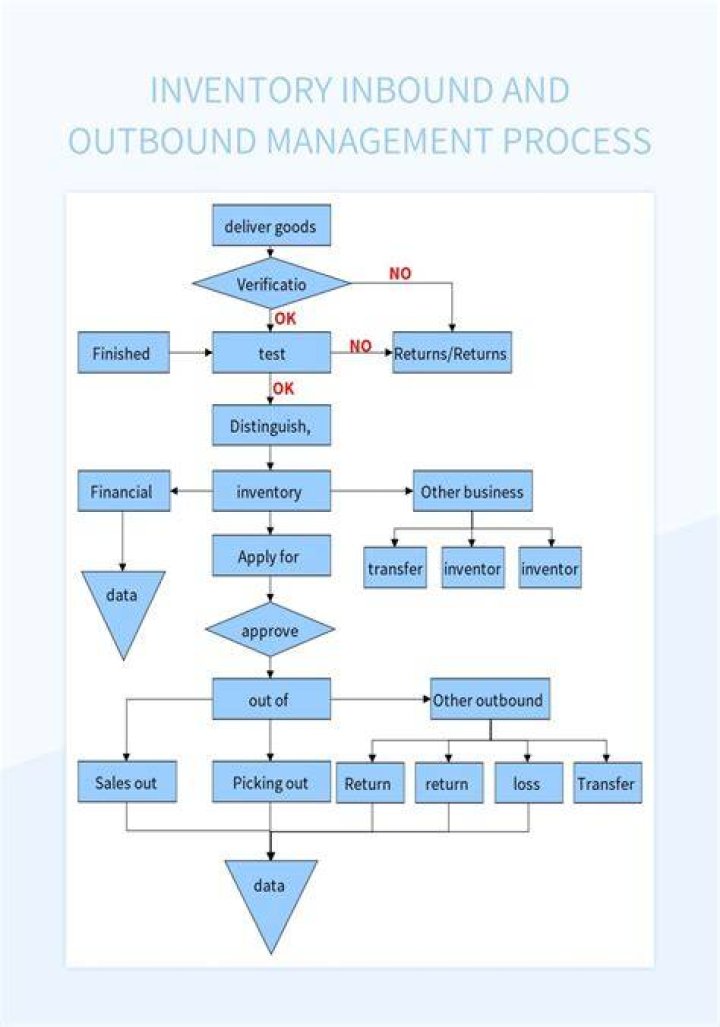
The inbound flow in a warehouse begins when items arrive in the warehouse of the company location, either received from external sources or from another company location. From the receiving dock, warehouse activities are performed at different complexity levels to bring the items into the storage area.What is inbound in supply chain?
Inbound logistics refers to the transport, storage and delivery of goods coming into a business. Inbound and outbound logistics combine within the field of supply-chain management, as managers seek to maximize the reliability and efficiency of distribution networks while minimizing transport and storage costs.What is inbound and outbound operations?
Inbound Logistics refers to the sourcing, transport, expediting, storage, and receiving of goods coming into a business. On the other hand, Outbound Logistics refers to warehousing, packaging and transporting of goods going out of the business.What are the basics of logistics?
This includes customer service ordering, shipment planning, transportation, warehousing, physical inventory control, packaging and unitization, and reverse logistics. Managing these four core processes requires companies to adopt a cross-functional team or matrix organizational structure.What does inbound scan mean?
Inbound – all parcels that arrive at a recipient depot during the day will be scanned there. It means that they should be out for delivery soon. Out for delivery – the carrier is about to deliver the shipment in the course of the day.What is inbound process in logistics?
The inbound logistics process refers to the influx of raw materials from suppliers to manufacturing facilities. It involves various activities, such as the storage and distribution of raw materials and parts that are going to be used in production.What are the types of logistics?
The four types of logistics are supply, distribution, production and reverse logistics.How does Inbound Logistics add value?
Inbound logistics is an integral step in a supply chain as it is an essential value-adding element. In retail, inbound logistics refers to receiving your inventory or raw materials that your manufacture to create a new product.What is 3pl warehouse?
3PL is a service that allows you to outsource operational logistics from warehousing, all the way through to delivery, and ultimately enables you to focus on other parts of your business. Third-party logistics companies provide any number of services having to do with the logistics of the supply chain.What is Porter's value chain?
The Porter's Value Chain Analysis focuses on the systems and activities with customers as the central principle rather than on departments and accounting expense categories. This system links systems and activities to each other and demonstrates what effect this has on costs and profit.What is inbound and outbound inventory?
Inbound logistics refers to purchasing and arranging the transportation of products, parts, materials and finished inventory from suppliers to a company's warehouse or manufacturing plant. Outbound logistics refers to the flow of those items through a company's production line, storage and ultimately to the customer.What do you mean by warehousing?
Warehousing is the act of storing goods that will be sold or distributed later. While a small, home-based business might be warehousing products in a spare room, basement, or garage, larger businesses typically own or rent space in a building that is specifically designed for storage.What does logistics consist of?
It consists of activities such as market research, requirements planning, make or buy decisions, supplier management, ordering, and order controlling. Production Logistics concerns itself with streamlining and controlling the flow through the supply chain from point of entry to the end, which is distribution logistics.What is Inbound Logistics in value chain?
Inbound Logistics: the receiving and warehousing of raw materials, and their distribution to manufacturing as they are required. Operations: the processes of transforming inputs into finished products and services. Outbound Logistics: the warehousing and distribution of finished goods.What do you mean by logistics?
Logistics is the process of planning and executing the efficient transportation and storage of goods from the point of origin to the point of consumption. The goal of logistics is to meet customer requirements in a timely, cost-effective manner.What are some examples of logistics?
The management of logistics can involve some or all of the following business functions, including:- Inbound transportation.
- Outbound transportation.
- Fleet management.
- Warehousing.
- Materials handling.
- Order fulfillment.
- Inventory management.
- Demand planning.