It can take newly transplanted climbing hydrangea vines a year or two to become established, so don't give up on them too soon. Seeds germinate readily but take several years to put on substantial growth. The vines grow quickly once established but it may be three to five years before you see flowers..
Also question is, how big does a climbing hydrangea grow?
These massive vines readily climb columns, trees, and other supporting structures. A climbing hydrangea plant grows 30 to 80 feet (9-24 m.) tall, but it tolerates pruning to shorter heights. You can also grow it as a shrub.
Also, how do you plant climbing hydrangeas? Climbing hydrangea will flower best with sun, and will flower less in shade. Space plants 5 to 10 feet apart. Keep the soil around climbing hydrangea evenly moist with regular waterings and a layer of bark mulch. Fertilize in spring with a layer of compost and a small handful of an organic plant food.
Also Know, why is my climbing hydrangea not growing?
Remove them back to a main branch so the plant can focus its energy on upward growth and flowers. When a climbing hydrangea won't bloom, it's sometimes the result of too much nitrogen fertilizer. You'll have a hard time getting climbing hydrangeas to bloom if you're pruning at the wrong time of year.
Does climbing hydrangea need a trellis?
You can grow climbing hydrangea vines to climb up trees, garden arbors, trellises, pergolas, or fences. Because the vines become so large and heavy over time, be sure that the host structure can support the weight of the vines. The plants can also be pruned and maintained in shrub form.
Related Question Answers
Will climbing hydrangea damage brick?
Climbing hydrangeas climb by aerial roots that stick to surfaces. Climbing hydrangea attach best to rough textured surfaces like bricks, masonry and tree bark rather than climbing along trellises. However, they do not cause any damage to buildings or trees they climb, other than leaving behind a sticky residue.Do climbing hydrangeas lose their leaves winter?
"My favorite climbing vine for outside is the climbing hydrangea; it will grow in the sun or shade. You purchase the plants in large containers, as this plant will grow quickly on woody stems. Climbing hydrangeas are deciduous, so they lose their leaves during the winter months.Do you cut back climbing hydrangea?
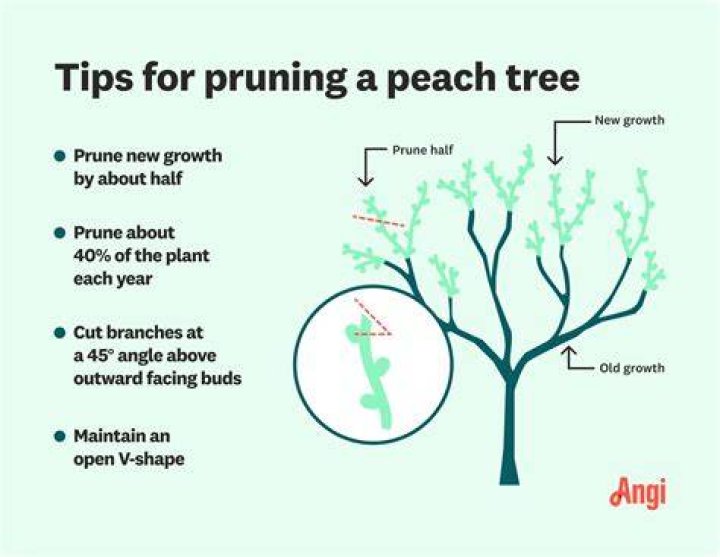
Pruning climbing hydrangeas - The climbing hydrangea (Hydrangea anomala subsp. petiolaris) should have overlong shoots cut back immediately after flowering.
- Established plants will tolerate hard pruning in spring, but extensive cutting back all in one go is likely to reduce flowering for the next couple of summers.
Are Hydrangea roots invasive?
Invasive Plants in Gardens and Landscapes. For example, while hostas, hybrid tea roses, most garden hydrangeas, boxwoods, tulips, daffodils, garden salvias, lilacs, dwarf shrub junipers, and peonies are all non-native to the region, none of them are known to be invasive.How can I make my hydrangea grow faster?
How to Get More Smooth Hydrangea Flowers: - Plant smooth hydrangeas in full sun if the soil stays moist.
- Water them during times of drought, especially during the heat of summer.
- Amend the soil with organic matter (such as compost).
- Prune stems back in early spring, just before new growth emerges.
Can you transplant climbing hydrangea?
Prepare to transplant a climbing hydrangea vine in the early spring, winter or late fall while the plant is dormant and the ground can be worked. Soak the soil around the root base of the plant with water one day before transplanting, so the root base is hydrated before attempting transplanting.Do deer eat climbing hydrangeas?
There are some species of hydrangea that are more deer resistant than others. Oakleaf hydrangeas and climbing hydrangeas in particular are not as appetizing to deer. We recommend planting these varieties if you live in an area with a dense deer population.How do you fertilize climbing hydrangeas?
Fertilizing. Feed your climbing hydrangeas with a balanced, slow-release fertilizer in the late spring and mid summer. Avoid feeding after August, as your hydrangeas will be entering their dormant period as fall progresses.What is eating my climbing hydrangea?
Beetles: From Japanese to Rose chafers, beetles are known for eating petals and leaves. Handpick beetles and drop them in soapy water or spray with Insect Control. Fruit Worm: If you see holes in the leaves of mature hydrangeas, you may have fruit worm.How do you prune climbing hydrangeas?
Time of YearFor minor pruning to help shape your climbing hydrangea, wait until late summer when the vine has finished flowering to prune it. During this time, you can trim the vine to control its height or width, remove dead branches or make cuts at leaf nodes to encourage the plant to fill out.Is Climbing hydrangea poisonous to dogs?
Hydrangeas are not edible and are poisonous to cats, dogs and horses. All parts of the plant are poisonous because they contain cyanogenic glycoside. Some of the clinical signs you will include diarrhea, vomiting, and or depression.Can you grow climbing hydrangeas in pots?
This would be true of any clinging vine. It is always risky to grow a plant above ground in a container, so the best bet would be to sink the container in the ground for the winter or otherwise insulate it so that the roots are protected not only from cold but also from temperature swings.Are Climbing Hydrangea Evergreen?
climbing hydrangea. An invaluable, woody, evergreen climber, which can attach itself to walls and fences by producing aerial roots. The attractive leaves are mid green and leathery and will provide year-long interest.Will deer eat clematis?
If they're hungry enough, our 4-legged friends will eat just about anything in the landscape. When it comes to vines, they frequently enjoy munching on garden lovelies such as Clematis and Climbing Hydrangea. But, there are some vines which could be better bets if your landscape is plagued by deer.Why is my climbing hydrangea dying?
Wilting in plants is due to a deficiency of water in the leaves and stems. It may be due to lack of water in the soil, to injury to the root system, root rot, or to the effects of various parasites (bacteria or fungi). Climbing hydrangeas need rich, moist, well-drained soil. 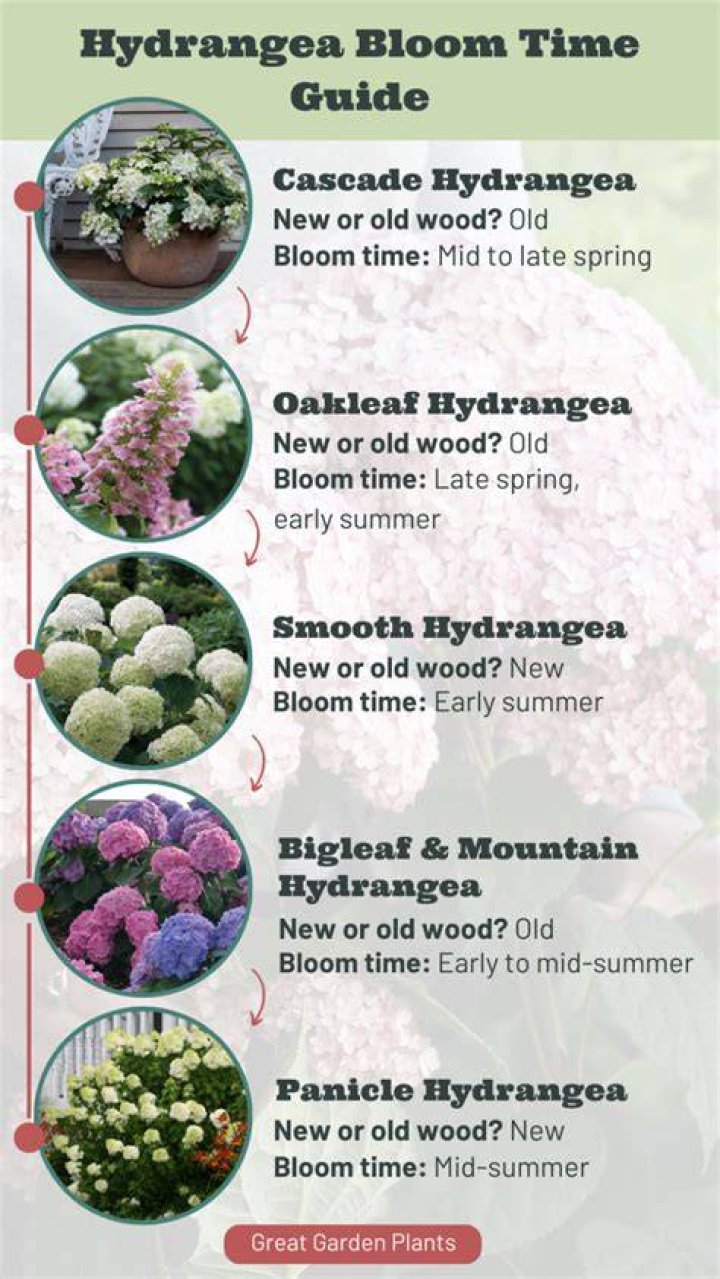
 Andrew Adams