Pickling is a method of storing food that involves placing the food into a sterile storage jar and marinading it in a brine solution (to produce lactic acid) or a vinegar solution (acetic acid). This process, called anaerobic fermentation, kills bacteria and imparts a sour taste to the preserved food..
Likewise, why does pickling food preserve it?
Pickling was widely used to preserve meats, fruits and vegetables in the past, but today is used almost exclusively to produce "pickles," or pickled cucumbers. Pickling uses the preservative qualities of salt (see above) combined with the preservative qualities of acid, such as acetic acid (vinegar).
Likewise, how does vinegar preserve food? To make the vinegar solution, boil up a little over 500 millilitres (two cups) vinegar and 250 millilitres (one cup) water, five millilitres (one teaspoon) salt, plus any spices and herbs. Briefly blanch about one kilogram (two pounds) washed and sliced vegetables in the solution.
Moreover, how does pickling prevent bacterial growth?
On a most general level, pickles are foods soaked in solutions that help prevent spoilage. The other category includes pickles soaked in a salt brine to encourages fermentation—the growth of "good" bacteria that make a food less vulnerable to "bad" spoilage-causing bacteria.
How do you preserve food pickles?
Usually, the vegetable rests for a short time in a brine (to add crispness and flavor), is drained, often brought to a boil in a vinegar solution, packed into jars, covered in the remaining hot vinegar solution, and water bath canned for long-term preservation.
Related Question Answers
Do you have to boil vinegar for pickling?
You can pickle just about anything. The key is knowing that first off, boiling your brine (vinegar mixture) will help all the flavors meld better, and that if you add in your pickling subject while the brine is hot, your pickle will be briefly cooked, and you risk losing some of the crunch.What are the two types of pickling?
Two Types of Pickles. Pickles. Tart, sour, garlicky, sweet, and spicy are all flavors that I enjoy when eating pickles.Which vinegar is best for pickling?
Apple cider vinegar, made from fermented apple juice is a good choice for many pickles. It has a mellow, fruity flavor that blends well with spices. However, it will darken most vegetables and fruits. Cider vinegar may be substituted for white vinegar of the same acidity.Does pickling kill bacteria?
Pickling is a method of storing food that involves placing the food into a sterile storage jar and marinading it in a brine solution (to produce lactic acid) or a vinegar solution (acetic acid). This process, called anaerobic fermentation, kills bacteria and imparts a sour taste to the preserved food.What's the difference between pickling and fermenting?
The Difference Between Pickling and Fermenting. Here's what you need to remember: Pickling involves soaking foods in an acidic liquid to achieve a sour flavor; when foods are fermented, the sour flavor is a result of a chemical reaction between a food's sugars and naturally present bacteria — no added acid required.Does pickling reduce nutritional value?
There's one more defining thing about vinegar pickling: It involves no fermentation. In addition, vinegar pickled foods lose much of their nutritional value over time. Nonetheless, they stay quite delicious for quite a while.Is pickling dangerous?
Molds growing in pickles can use the acid as food thereby raising the pH. A raised pH increases the chance that harmful organisms (such as the organism that causes botulism) can grow. The proportion of vinegar to water in this pickling brine is 1 to 4 and is too low to be safe.Does pickling shrink things?
When cucumbers are placed in a vinegar/salt brine, they often shrink as the juices in the cucumbers are pulled out into the solution, but they generally plump up again as the cucumbers reabsorb the brine. The enzymes in that end of the cucumbers will soften the pickles while they are in the jars.Can bacteria grow on salt?
Salt kills some types of bacteria, effectively by sucking water out of them. In a process known as osmosis, water passes out of a bacterium so as to balance salt concentrations on each side of its cell membrane. Some bacteria can tolerate salt; they are halotolerant.How Long Will vinegar preserve food?
The pickled vegetables or fruit will keep for about 5 to 6 months in a jar — always make sure to refrigerate whatever you pickle.Why are my pickles turning blue?
The pickle turning blue is completely normal. The acid solutions absorb copper oxides from non-ferrous metals like copper or those containing copper, turning them blue. The more copper - the bluer the solution. Once you're all done with the heat, put the pieces in a super pickle.Is Vinegar a good preservative?
Vinegar is made from the fermentation of sugar and water solutions and is an effective natural preservative. The acetic acid in vinegar kills microbes and stalls food spoilage. Pickling is a common method of using vinegar as a preservative and also adding flavor to foods.Does vinegar preserve meat?
You can use vinegar to tenderize meat in two ways – as a marinade or in cooking water. You can also use vinegar to preserve meat.Can bacteria grow in brine?
Adding salt to your pickling brine is one important way to help lactic acid bacteria win the microbial race. At a certain salt concentration, lactic acid bacteria grow more quickly than other microbes, and have a competitive advantage. What's more, salt-tolerant yeasts can spread more quickly.Does vinegar keep food from spoiling?
Vinegar is used in all sorts of food preservation methods. It has a few key properties that make it ideal at slowing or stopping food from spoiling for long periods. It is primarily the pH or acidity of vinegar that inhibits bacterial growth and this process is most commonly called pickling.What is the difference between white vinegar and pickling vinegar?
One can pickle with white vinegar. Usually pickling vinegar is cut with water to reduce the acidity roughly two or three parts vinegar to one part water. Usually pickling vinegar is cut with water to reduce the acidity roughly two or three parts vinegar to one part water.Why do you salt vegetables before pickling?
Discard the liquid that will have emerged from the vegetables, then rinse and dry the vegetables before pickling or canning as usual. The salt helps to pull the moisture out of the vegetables and makes them crisper.How does salt preserve food?
Salt has been used as a preservative for ages, and works to preserve food in two ways: Salt dries food. Salt draws water out of food and dehydrates it. Salt is used to preserve beef jerky by keeping it dry, and it prevents butter from spoiling by drawing water out, leaving just the fat.How does sugar preserve food?
Sugar helps preserve the color, texture and flavor of the food. The sugar in jams and jellies helps the gel to form, and increases the flavor. When large amounts of sugar are used in a recipe, the sugar also acts as a preservative by inhibiting microbial activity; thus, recipes should not be modified or adapted. 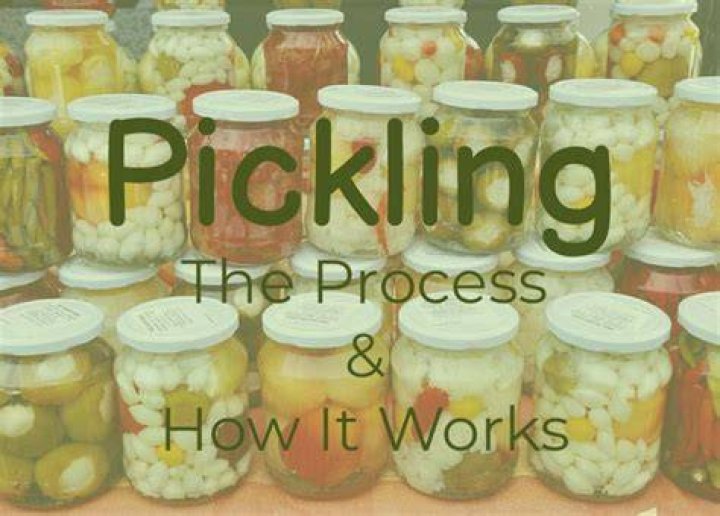
 Lily Fisher